One tool, every team: What it took at HWW Zorg
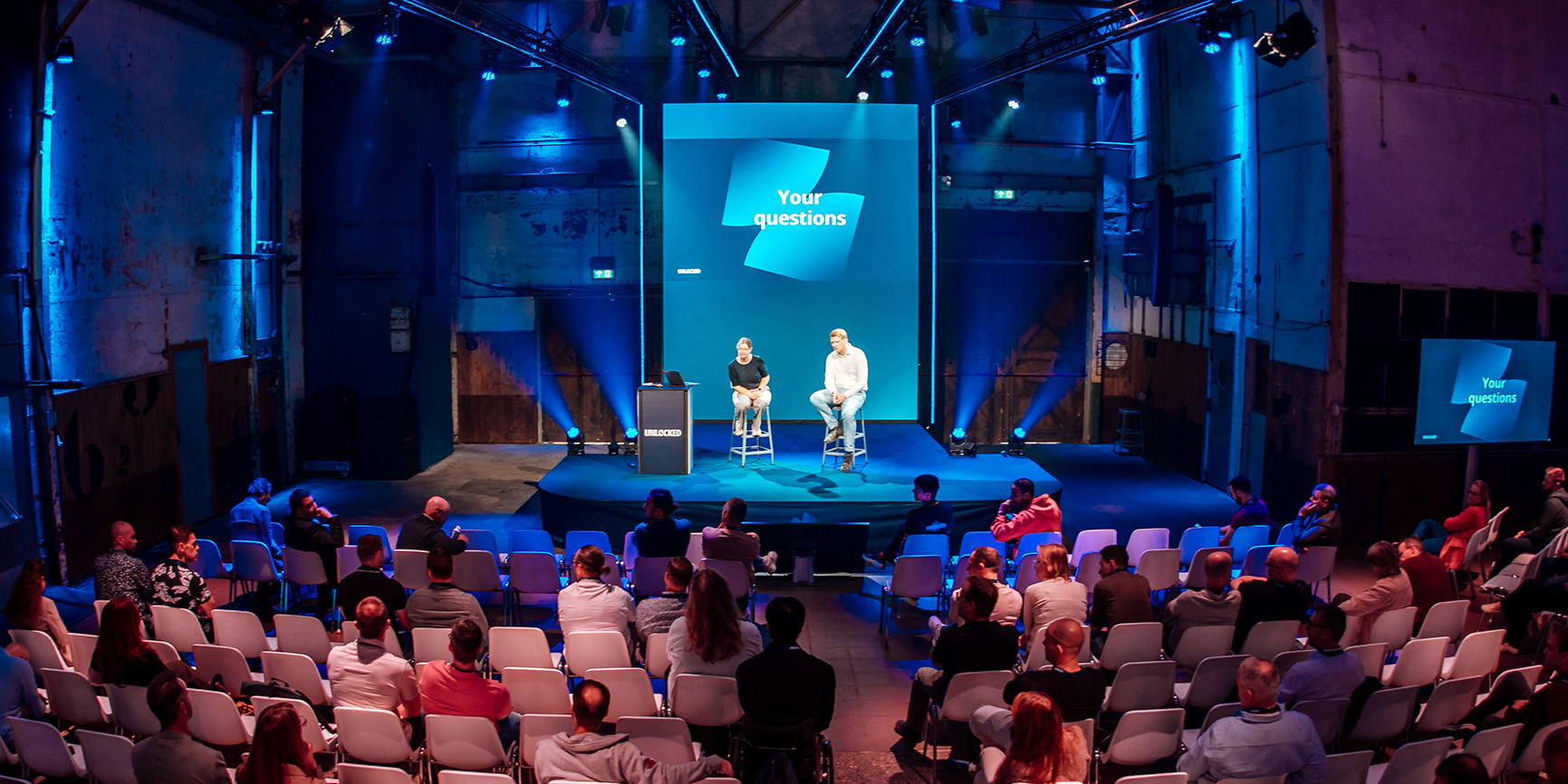
How do you introduce enterprise service management (ESM) when every department already has its own way of handling requests? At TOPdesk Unlocked, Robin Noppert, ICT Infrastructure and TOPdesk specialist at Dutch healthcare organization HWW Zorg, shared how the organization brought IT, HR and Facilities under one roof. In this article, you'll hear how HWW Zorg made the move and what it changed for employees looking for help.
IT, Facilities and then the rest
There is a simple pattern for what happens when companies try to expand from ITSM to ESM. IT is the first department, according to our research, followed—in 80% of cases—by Facilities, and then things begin to stall.
The reason for this is usually a communication breakdown between teams. That’s because generally, departments operate in silos who run their own processes and their own priorities. This means there’s a lack of cross-department standardisation, and strategic planning for what happens next.
How it used to look
The situation at the IT service desk at HWW Zorg used to be, in Robin's words, pure chaos. Requests came in by phone, by email and face to face, with no clear starting point and no obvious way to know who to speak to in each department.
From an end-user’s perspective, the chaos was equally apparent, with users communicating that they felt that many of their requests were simply ignored, or lost in the mess.
Robin explained that as time went on and dissatisfaction grew amongst end-users, it became clear that something needed to change. He acknowledges that the situation became disorganised enough that new starters didn’t even know if they were entitled to a laptop or phone to use when they turned up to work.
Robin and the team rolled out TOPdesk to reduce the chaos, centralise operations, and introduce structure into their ITSM. It worked, and before long, other departments were paying attention. The first to show an interest in getting more structure was Facilities.
Friction and a lack of trust
Aligning Facilities with a structured ITSM approach wasn't plain sailing. Robin describes some frank conversations early on, with each side feeling the other didn't understand how their world worked: Facilities knew its own processes inside out, and Robin knew TOPdesk. The turning point came when both sides recognized they needed each other to fix a problem they shared, and from there, Robin and his counterpart in Facilities found a way forward together.
There was a fundamental lack of trust between the two teams. Part of the solution, said Robin, was to have a spokesperson from Facilities embedded in the IT department, acting as a bridge. Information could then be shared more easily between the two teams, creating a shared knowledgebase, processes and data that meant the two departments could operate in sync.
Breaking the stall: HR comes on board
This is the point where most ESM projects stall. IT and Facilities are in, but everyone else watches from a distance, apprehensive to get on board. So how did HWW Zorg keep going?
What made the difference was a team member in HR who was willing to take the lead. They spent time working alongside the IT team, moving HR requests into TOPdesk one process at a time, starting with onboarding.
The second rollout was quicker because the trust was already there, and so was the proof. HR could see Facilities working in TOPdesk.
What changed it
The biggest change since the move to ESM is that every HWW Zorg employee now knows where to go for help, because logging a request in TOPdesk is simple. The Self-Service Portal is a single, centralized place to submit a ticket, whether the problem is a software glitch or a leaky sink. TOPdesk then routes the ticket to the right team, so issues get resolved faster. Robin says this has had a big impact on employee satisfaction.
“As a user of TOPdesk, ESM is great because you can put everything you have in there, you can make APIs, and make a really nice dashboard telling you when you need to replace your laptops or whatever—it’s the main, central hub for me”. Robin, ICT Infrastructure and TOPdesk specialist at HWW Zorg
What it looks like now
Thanks to Robin and his colleagues in IT, Facilities, HR and across the business, TOPdesk is now the central hub where HWW Zorg employees ask questions and submit requests, with one tool for every team. Departments no longer wait on each other to find out who's handling what. All requests and their status sit in one place, and each team manages the requests that belong to it. Or in Robin's own words, "It's the collection point for all the information people need right now."
What Robin would tell you
So what advice would Robin give a team about introducing ESM into their organization?
Start with a bridge. Pick someone from the other department who fits the ‘initiator’ role. They’re willing to spearhead change, and already have their own team's trust. Give them a proper seat in IT and time to learn the tool.
Fix one shared process before touching the rest. Early wins build trust faster than a roadmap does.
Don’t just be prepared for friction, expect it.
Back to the new starter
Here’s how a new starter’s first week at HWW Zorg looks now. They open one portal, request a laptop, book a building pass, and check what HR still needs from them. Each request lands with the right team, and they can see the progress of each. No more guessing who to ask.
Where are you on the growth path?
We’ve now seen a complete customer journey, from self-confessed chaos, to a much more productive picture, with teams working cross-departmentally, and TOPdesk providing a hub for all ESM processes. So the question is: where are you on this path?
Look at the four stages below and compare each to your own company. Where do you think you sit?
1. Reactive
Your teams are siloed with each using a different set of tools. So far, only your IT team is operating a structured service management system to field ad hoc requests.
2. Proactive
Again, your teams operate in silos, but at least now they’re using the same tool. They have a structured approach to IT service management, and even have a shared portal.
3. Customer-focused
Your teams are operating in a shared service portal. You have two or more departments working in this way, and your customers have a centralised way to interact with each team.
4. Business partner
Your departments follow the same set of processes; in other words, full ESM has been achieved. Your services drive outcomes for end-users, minus the chaos.
Now you’ve read through the four stages above, where do you see yourself?
Start with one process
Regardless of whether you’re at stage one or stage four, here’s a helpful exercise you can do. Pick one process that you own that another department touches. An example for IT and HR might be hiring, or for IT and Facilities, it could be access control and security.
Whatever you choose, write it down, and now write down every handoff point for that process, as well as who owns each step. If there are any gaps, this is where you should focus your ESM conversation.
Inspire others, share this blog